
Introduction
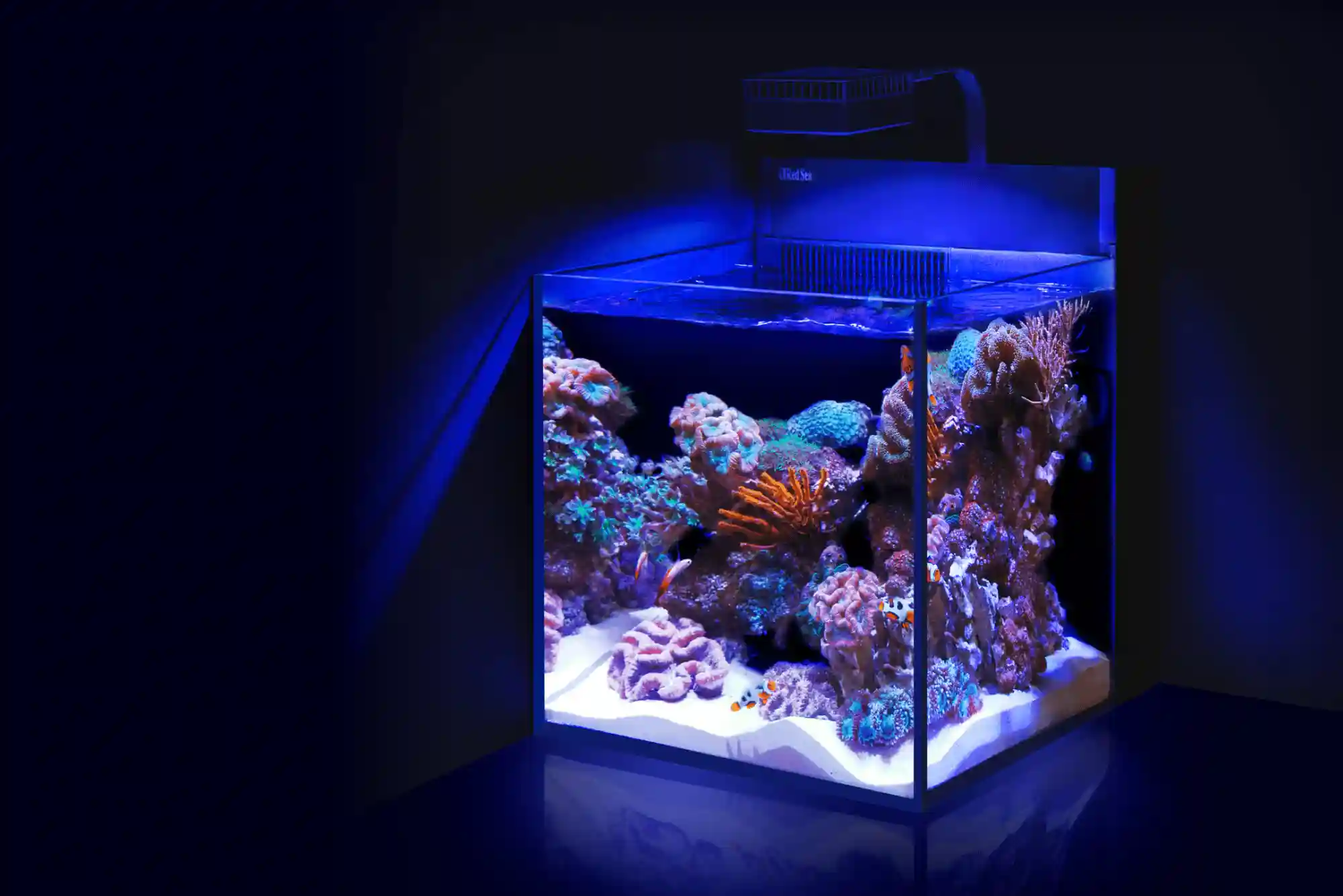
A nano reef tank brings the beauty of a coral reef into a compact home aquarium. For beginners, Nano Reef Tank Essentials: Best Small Marine Aquariums for Beginners starts with choosing a stable tank, suitable equipment, and manageable livestock. Although nano aquariums are smaller than traditional reef systems, they still require careful planning and consistent maintenance.
A nano reef is generally understood as a small marine aquarium, often below 30 gallons. Some hobbyists use the term for systems under 20 gallons. Tanks below roughly 5 gallons are commonly described as pico reefs.
The appeal is easy to understand. A small reef can fit into limited spaces while providing an impressive display of corals, fish, shrimp, snails, and live rock. However, smaller water volumes can change quickly. Therefore, beginners should focus on stability rather than simply choosing the smallest aquarium available.
What Is a Nano Reef Tank?
A nano reef tank is a compact saltwater aquarium designed to support reef organisms. These systems typically contain live rock, sand, corals, marine invertebrates, and carefully selected fish.
Unlike a basic saltwater fish tank, a reef aquarium must support coral health. That means lighting, water movement, temperature, salinity, and water chemistry all matter.
The smaller the aquarium, the faster conditions can change. Evaporation can raise salinity noticeably. A faulty heater can change temperature quickly. Overstocking can also increase nutrients faster than filtration can handle them.


For this reason, Nano Reef Tank Essentials: Best Small Marine Aquariums for Beginners should always emphasize stability and consistency. A slightly larger nano can often be easier to manage than a very small aquarium.
Choosing the Best Small Marine Aquarium
For most beginners, an all-in-one aquarium is a practical starting point. These systems usually include a rear filtration chamber. This design keeps equipment hidden and reduces the amount of plumbing required.
A 10- to 20-gallon aquarium can provide a useful balance between compact size and water stability. A 20-gallon system generally gives beginners more room for aquascaping and livestock than a tiny pico tank.
When choosing your aquarium, consider the available space first. The stand must support the filled aquarium safely. You should also leave enough room for maintenance and equipment access.
Avoid placing the tank beside windows or heating and cooling vents. Direct sunlight can encourage unwanted algae growth. Rapid temperature changes can also stress marine animals.
Nano Reef Tank Essentials: Equipment You Actually Need
The right equipment creates the foundation of a successful reef. Fortunately, beginners do not need every advanced device available.
Quality Aquarium and Filtration
The aquarium itself should be designed for marine use. An all-in-one system is particularly convenient because filtration is integrated into the rear section.
Biological filtration is especially important. Live rock or suitable biological media provides surfaces where beneficial bacteria can develop.
Mechanical filtration can remove floating particles. Some systems also use chemical filtration media when necessary. Protein skimming may be useful, although its necessity depends on the aquarium’s stocking and maintenance approach.
Reliable Heater and Thermometer
Marine livestock needs a stable temperature. Therefore, a dependable heater is one of the most important nano reef tank essentials.
Use a heater appropriately sized for your aquarium. A separate thermometer provides another way to verify temperature.
A temperature controller can provide additional protection against heater failure. However, beginners should still inspect equipment regularly.
Reef Lighting
Corals depend on appropriate light. Consequently, ordinary freshwater aquarium lighting may not be suitable for a reef.
Choose a reef-specific LED light based on the corals you intend to keep. Soft corals generally have different requirements from demanding SPS corals.
Lighting should also be introduced carefully. Excessive intensity can contribute to algae problems and stress newly introduced corals.
Water Movement
Good circulation distributes oxygen, nutrients, and heat throughout the aquarium. It also prevents stagnant areas from developing between rocks.
A small wavemaker can supplement the return pump. However, flow should not blast corals continuously.
Instead, aim for varied movement that suits your livestock. Begin conservatively and adjust the flow as your corals grow.
Refractometer and Test Kits
Salinity is one of the most important measurements in a marine aquarium. A refractometer gives you a practical way to monitor specific gravity.
You should also monitor ammonia and nitrite during cycling. Once the reef becomes established, testing can include nitrate, alkalinity, calcium, and magnesium.
Testing is particularly important in a nano aquarium because small changes can have larger effects.
Why RO/DI Water Matters
Water quality has a major influence on reef health. Many experienced reef keepers use purified RO/DI water for mixing saltwater and replacing evaporation.
Evaporation removes water but leaves salt behind. Therefore, topping off with saltwater would gradually increase salinity.
Instead, evaporation should normally be replaced with fresh purified water. An automatic top-off system can make this process easier.
For beginners, an ATO is not always essential. However, it can make a nano reef considerably more stable when evaporation is noticeable.
Cycling Your Nano Reef Tank
Never rush the cycling process. Before adding sensitive livestock, the aquarium needs an established biological filtration system.
The nitrogen cycle allows beneficial microorganisms to process toxic ammonia and nitrite. During cycling, monitor the relevant parameters and allow the biological system to develop.
Cycling duration varies according to the setup, bacterial source, rock, and other conditions. Some systems establish more quickly than others. Therefore, testing should guide the process rather than relying only on a fixed number of days.
Patience is one of the most valuable nano reef tank essentials. Adding fish or corals too quickly can create unnecessary problems.
Choosing Beginner-Friendly Corals
After cycling and stabilization, beginners can consider hardy coral species.
Soft corals are often popular because many tolerate a broader range of conditions than demanding SPS corals. Zoanthids, mushrooms, and some leather corals are commonly considered beginner options.
LPS corals can also be suitable once the aquarium is stable. However, each species has different requirements for light, flow, feeding, and space.
Avoid choosing corals simply because they look attractive. Research their mature size and care requirements first.
Choosing Fish for a Nano Reef
Fish selection requires even more restraint. A small aquarium cannot safely accommodate the same livestock as a large reef.
Select peaceful species that remain appropriately small. Gobies and certain other nano-compatible fish may work in suitable systems.
Clownfish can be kept in some nano aquariums, depending on the species, tank size, and aquarist’s approach. However, not every small aquarium is suitable for every clownfish.
Never choose fish based solely on their juvenile size. Consider their adult size, swimming behavior, territory requirements, and compatibility.
Overstocking remains one of the most common ways to destabilize a nano reef. A lightly stocked aquarium is usually easier to maintain.
Invertebrates for a Small Reef
Small reef aquariums can become especially interesting with carefully selected invertebrates.
Snails can help consume algae and leftover food. Small hermit crabs are also used by some reef keepers, although compatibility varies.
Cleaner shrimp can provide movement and visual interest. However, they still require appropriate water quality and suitable tank conditions.
A cleanup crew should not be treated as a substitute for maintenance. Invertebrates cannot compensate for excessive feeding or poor water quality.
Nano Reef Tank Maintenance
Consistent maintenance is more important than complicated equipment. Small aquariums can respond quickly to neglected care.
Check temperature and salinity regularly. Inspect pumps and filtration chambers for debris. Remove unwanted algae before it becomes difficult to control.
Regular water changes help export nutrients and replenish important elements. Many beginner guides recommend weekly changes around 10% to 20%, although the appropriate schedule depends on stocking and water chemistry.
Top off evaporated water with fresh purified water. Never ignore a sudden salinity increase.
Clean aquarium glass as needed. Also inspect corals and fish for changes in appearance or behavior.
A simple maintenance routine is often more effective than constantly changing equipment.
Common Nano Reef Mistakes Beginners Should Avoid
One major mistake is buying the smallest aquarium possible. A tiny aquarium may look convenient, but it provides less room for parameter fluctuations.
Another mistake is adding livestock too quickly. A new reef needs time to establish biological stability.
Overfeeding is another common problem. Uneaten food becomes waste and can increase nutrient levels.
Beginners should also avoid constantly changing equipment. If the aquarium is stable, unnecessary adjustments can create more problems.
Finally, do not chase perfect numbers every day. Consistency and understanding trends are generally more useful than making constant corrections.
Is a Nano Reef Tank Good for Beginners?
A nano reef can be an excellent introduction to marine aquariums when expectations are realistic.
It requires less physical space than a large reef. It can also provide an impressive display without requiring a dedicated aquarium room.
However, small does not automatically mean easy. The reduced water volume means mistakes can become significant quickly.
For beginners, the best approach is to choose a manageable aquarium, stock it lightly, test regularly, and make gradual changes.
Nano Reef Tank Essentials for Long-Term Success
The most important principle is stability. A successful nano reef does not depend on expensive equipment alone.
Instead, success comes from maintaining appropriate salinity, temperature, water movement, filtration, lighting, and nutrient levels.
Choose livestock that matches your aquarium rather than forcing the aquarium to accommodate unsuitable animals.
Keep a simple maintenance schedule. Record important test results so you can recognize trends before they become serious problems.
Most importantly, give the aquarium time to mature. A reef develops gradually, and patience allows its biological systems to become stronger.
Frequently Asked Questions
How big should a nano reef tank be for a beginner?
A 10- to 20-gallon aquarium can be a practical starting range for beginners. Larger nano systems generally provide more water volume and additional stability.
Can you keep a reef tank in a small aquarium?
Yes. Small reef aquariums can successfully support suitable corals, invertebrates, and carefully selected fish. However, smaller volumes require consistent maintenance.
How often should I change water in a nano reef tank?
Many reef keepers perform weekly water changes of roughly 10% to 20%. The exact schedule should depend on stocking, nutrient levels, and the aquarium’s overall condition.
Do nano reef tanks need a protein skimmer?
Not every nano reef requires a protein skimmer. Its usefulness depends on stocking, filtration, feeding, and water-change practices. Lightly stocked systems may operate successfully without one.
What fish are suitable for a nano reef?
Suitable fish depend on aquarium size and species behavior. Small gobies and other genuinely nano-compatible species can be considered. Always research adult size and minimum tank requirements before purchasing.
How long does it take to cycle a nano reef tank?
Cycling time varies considerably. Some systems establish biological filtration within several weeks, while other setups take longer. Test ammonia and nitrite instead of relying only on a calendar.
Conclusion
Starting a nano reef tank can be a rewarding way to explore marine aquarium keeping. The compact size makes these aquariums attractive for homes with limited space. However, successful reef keeping requires patience, careful stocking, and consistent maintenance.