
Introduction
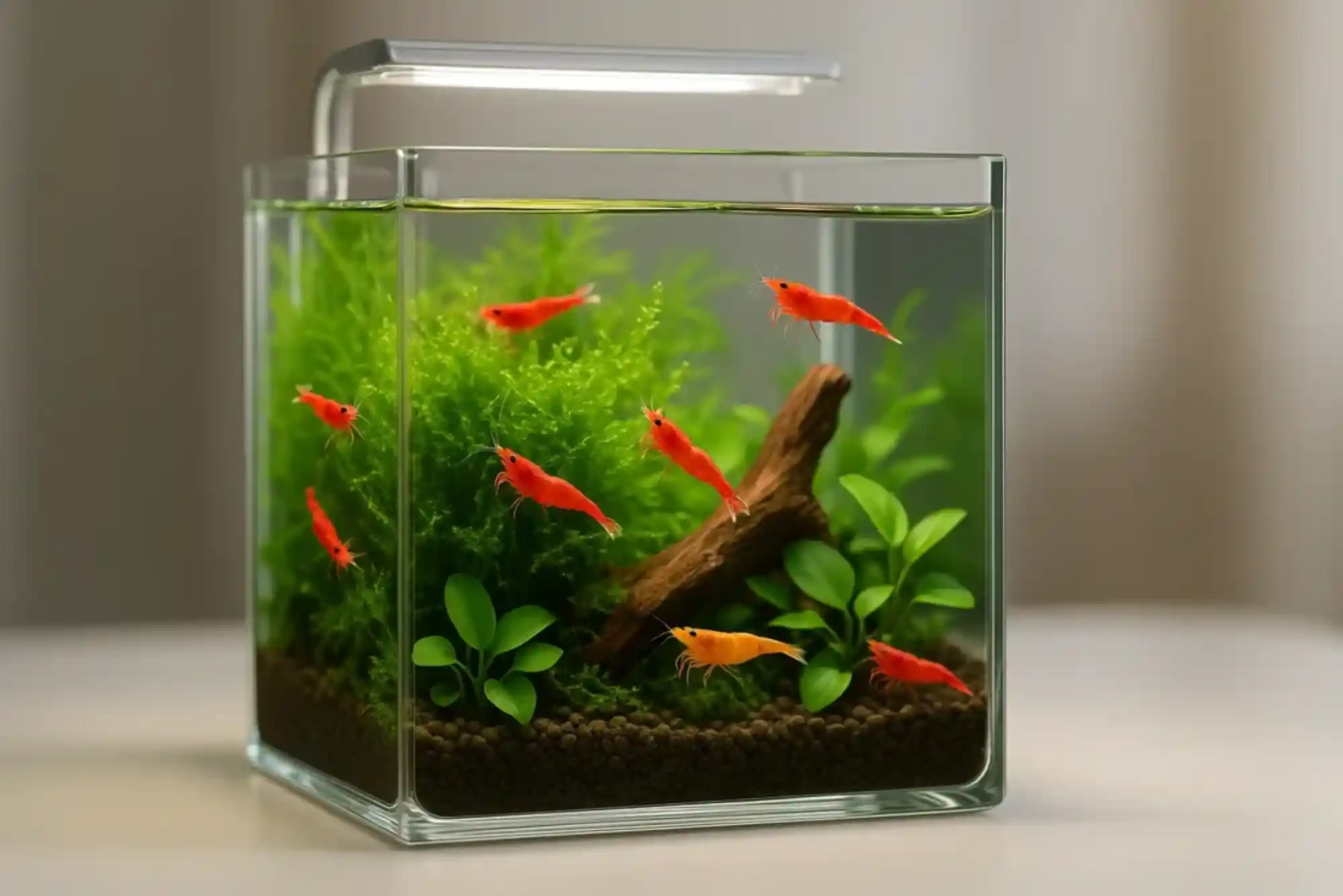
Breeding cherry shrimp in a nano tank is a rewarding way to enjoy freshwater aquariums without needing a large amount of space. These colorful dwarf shrimp are relatively easy to care for, reproduce readily under suitable conditions, and spend much of their time grazing on algae and biofilm. However, successful breeding requires more than adding a few shrimp to a small aquarium.
If you want to learn how to breed cherry shrimp in a nano tank, you need to understand their water requirements, feeding habits, breeding behavior, and the needs of newly hatched shrimplets. Small aquariums can support healthy colonies, but they are less forgiving of sudden changes in water quality.
This complete guide explains how to establish a suitable nano tank, choose healthy breeding shrimp, encourage reproduction, and raise baby cherry shrimp into a thriving colony. Whether you are a beginner or an experienced aquarist, the right approach can help you achieve consistent breeding results.
Understanding Cherry Shrimp and Their Breeding Habits
Cherry shrimp, scientifically known as Neocaridina davidi, are popular freshwater invertebrates available in several colors, including red, blue, yellow, and orange. Red cherry shrimp are especially common because of their bright coloration and straightforward care requirements.
These shrimp reproduce through a relatively simple process. Once mature males and females are present, mating can occur naturally when conditions are suitable. Females carry fertilized eggs beneath their tails until the eggs hatch into tiny, fully formed shrimplets.
Unlike many fish, cherry shrimp do not have a free-swimming larval stage that requires specialized saltwater conditions. Their offspring resemble miniature adult shrimp and can begin grazing on biofilm shortly after hatching.


A stable environment, good nutrition, and sufficient hiding places are the main foundations of successful breeding. In a well-maintained aquarium, a small starter group can gradually develop into a large colony.
Choosing the Right Nano Tank for Cherry Shrimp Breeding
Tank size influences water stability, available grazing surfaces, and how easily you can maintain the colony. Although cherry shrimp can live in very small aquariums, a slightly larger nano tank usually provides better conditions for beginners.
What Is the Best Tank Size?
A tank holding around 5–10 gallons is a practical choice for breeding cherry shrimp. A five-gallon aquarium can support a small breeding group, while a ten-gallon tank generally offers more room for plants, biofilm growth, and a growing population.
Smaller containers can work for experienced keepers, but their limited water volume makes temperature fluctuations and waste accumulation more significant. For a first breeding project, choose the largest tank that comfortably fits your available space.
Set Up a Shrimp-Friendly Environment
Use a gentle filtration system, a suitable substrate, and plenty of surfaces where beneficial microorganisms can grow. An aquarium sponge filter is particularly useful because it provides biological filtration without creating a strong current or easily trapping baby shrimp.
Live plants such as Java moss, Java fern, and Anubias offer shelter and grazing areas. Moss is especially helpful because its dense structure provides tiny shrimp with protection and access to microorganisms.
Driftwood, aquarium-safe stones, and leaf litter can add further surfaces for biofilm. Avoid untreated wood, unsafe decorations, and anything that could release harmful substances into the water.
A tight-fitting lid can reduce evaporation and help prevent shrimp from escaping. Keep the aquarium away from direct sunlight and heating or cooling vents to minimize temperature changes.
Preparing the Water for Successful Breeding
Water stability is one of the most important factors when learning how to breed cherry shrimp in a nano tank. These shrimp tolerate a reasonable range of conditions, but sudden changes can cause stress, failed molts, or unexpected deaths.
Recommended Water Parameters
The following ranges are useful starting points for a Neocaridina davidi breeding aquarium.
| Parameter | Recommended starting range |
|---|---|
| Temperature | 20–24°C (68–75°F) |
| pH | 6.8–7.8 |
| GH | 6–10 dGH |
| KH | 2–6 dKH |
| Ammonia | 0 ppm |
| Nitrite | 0 ppm |
| Nitrate | Preferably below 20 ppm |
These values are guidelines rather than rigid requirements. Healthy colonies can thrive outside some of these ranges when the water chemistry is consistent and suitable for the particular shrimp.
General hardness (GH) indicates the concentration of minerals, including calcium and magnesium. These minerals support normal molting and shell development. Carbonate hardness (KH) helps buffer pH, reducing the risk of sudden changes.
Use a reliable aquarium test kit to monitor water conditions. If your tap water is unsuitable, remineralized reverse-osmosis water may be an option, but it must be prepared correctly for freshwater shrimp.
Always use a water conditioner that neutralizes chlorine and chloramine when required. Never add untreated tap water directly to the aquarium.
Cycle the Aquarium Before Adding Shrimp
A newly assembled aquarium may look clean, but it does not necessarily have the beneficial bacteria needed to process waste.
Cycle the tank before introducing shrimp. This process establishes biological filtration that converts toxic ammonia into nitrite and then into the less toxic nitrate.
Test the aquarium to confirm that ammonia and nitrite remain at zero and that the filtration system is functioning properly. Allow time for biofilm and other microorganisms to develop on plants, substrate, and decorations.
An established aquarium is particularly valuable for breeding because newborn shrimplets depend heavily on microscopic food sources. Adding shrimp to an immature tank can lead to poor survival even when the water looks clear.
Selecting Healthy Cherry Shrimp for Breeding
Start with healthy, active shrimp from a reputable breeder or aquarium shop. Look for individuals that graze regularly, move normally, and show no obvious signs of disease or physical damage.
For a small nano tank, a starter group of around 10–15 shrimp is often sufficient. A larger group increases the chance of obtaining both sexes and provides a reasonable genetic foundation for a home colony.
How to Identify Male and Female Cherry Shrimp
Female cherry shrimp are usually larger and have broader, more rounded undersides. Their coloration may also be more intense, depending on the strain. Mature females often develop a visible saddle, which is a cluster of unfertilized eggs behind the head.
Males tend to be smaller, slimmer, and less intensely colored in many red strains. However, color alone is not a dependable way to identify sex in every variety.
Once females become berried, their fertilized eggs are visible beneath the abdomen. The female carries these eggs using her swimmerets, regularly moving them to keep water flowing around them.
Acclimate New Shrimp Slowly
Avoid placing newly purchased shrimp directly into the aquarium. Differences in temperature, pH, hardness, and dissolved minerals can cause significant stress.
Float the transport bag briefly to equalize temperature, then use a careful acclimation method suited to the difference between the source water and the aquarium. A slow drip acclimation is commonly used, but avoid extending exposure to transport water unnecessarily, especially if it has accumulated waste.
Transfer the shrimp gently with a small net or suitable container. Do not pour potentially contaminated shop water into your established tank.
Give the new arrivals time to settle before making further changes to their environment.
Feeding Cherry Shrimp to Encourage Breeding
Nutrition plays an important role in egg production, successful molting, and shrimplet survival. Cherry shrimp naturally graze on algae, biofilm, decaying plant material, and microorganisms growing on aquarium surfaces.
A mature nano tank usually provides a substantial portion of their daily food. However, supplemental feeding helps maintain a healthy breeding colony, particularly when the shrimp population increases.
What Should You Feed Cherry Shrimp?
Use a balanced shrimp food designed for freshwater dwarf shrimp. Quality shrimp pellets, algae-based foods, and occasional blanched vegetables can provide variety. Small amounts of protein-rich foods may also be offered as part of a balanced diet.
For vegetables such as zucchini or spinach, use plain, thoroughly washed produce and remove uneaten portions promptly. Avoid vegetables exposed to pesticides or other potentially harmful chemicals.
Feed small portions two or three times per week as a starting routine, adjusting according to the colony size and available natural food. If food remains uneaten after a couple of hours, remove it to prevent water quality problems.
Overfeeding is especially dangerous in nano tanks because excess food decomposes quickly in limited water volume. Healthy shrimp should spend much of their time grazing rather than waiting for large meals.
Do Berried Females Need Special Food?
Females carrying eggs benefit from the same balanced diet as the rest of the colony. You do not need to increase feeding dramatically or introduce unusual foods.
Provide suitable nutrition, maintain stable water conditions, and allow the female to carry her eggs without unnecessary disturbance. Excessive feeding can damage the environment that the eggs and developing shrimplets depend on.
How to Encourage Cherry Shrimp to Breed
Once the aquarium is mature and the shrimp are healthy, reproduction often happens naturally. There is usually no need for special breeding equipment or complicated techniques.
Recognize the Breeding Cycle
A mature female may develop a saddle, which is a visible cluster of eggs inside her body. Following a molt, she may mate with a male and transfer fertilized eggs beneath her abdomen.
A female carrying these eggs is called berried. The eggs typically hatch after approximately three to five weeks, depending on temperature and other environmental conditions.
During this period, the female fans the eggs with her swimmerets, helping circulate water around them. The eggs gradually develop, and you may eventually notice tiny eyes within them.
Keep Conditions Consistent
Maintain a suitable temperature, stable mineral levels, gentle filtration, and a reliable feeding routine. Avoid making sudden adjustments to pH or hardness simply to reach a particular number.
Frequent large water changes, overcrowding, poor nutrition, and unstable conditions can interfere with successful reproduction. Small, carefully managed water changes are generally preferable to dramatic changes in a nano aquarium.
Avoid housing cherry shrimp with fish that may eat their offspring. Even peaceful fish can consume tiny shrimplets, reducing the number that survive to adulthood.
Caring for Baby Cherry Shrimp in a Nano Tank
Baby cherry shrimp, commonly called shrimplets, are tiny but relatively independent. Unlike many aquarium species, they hatch as miniature versions of adults and do not require a separate larval rearing stage.
Create a Safe Nursery Environment
The best nursery is often the established breeding tank itself. Dense Java moss, fine-leaved plants, and natural biofilm provide both protection and feeding opportunities.
A sponge filter is particularly useful because it reduces the risk of small shrimp being drawn into the filtration system. If your filter has an exposed intake, cover it with an appropriate pre-filter sponge.
Do not move a berried female unless there is a genuine safety concern. Catching and transferring her can cause stress, and maintaining a separate nursery may introduce unnecessary water chemistry differences.
What Do Baby Cherry Shrimp Eat?
Newly hatched shrimplets feed on biofilm, microorganisms, and fine organic material already present in the aquarium. A mature, planted tank supplies much of what they need.
If the aquarium has limited natural food, use a small amount of finely powdered shrimp food formulated for young shrimp. Feed sparingly because uneaten powder can accumulate and affect water quality.
Do not assume that every shrimplet needs frequent direct feeding. A tank with abundant natural grazing surfaces can support young shrimp without constant additions of prepared food.
How Fast Do Baby Cherry Shrimp Grow?
Growth depends on temperature, food availability, water quality, genetics, and stocking density. Under favorable conditions, shrimplets gradually grow over several weeks and may reach breeding maturity in approximately three to five months.
Keep monitoring the population as it grows. A nano tank that comfortably supports ten shrimp may eventually become crowded when several generations reproduce.
If the colony expands beyond the tank’s capacity, consider upgrading the aquarium or moving some shrimp to another established tank.
Common Mistakes to Avoid When Breeding Cherry Shrimp
One common mistake is introducing shrimp into an uncycled aquarium. Clear water does not guarantee biological stability, and ammonia or nitrite can harm both adults and babies.
Another problem is changing water parameters too aggressively. Shrimp need suitable mineral levels, but sudden attempts to correct hardness or pH can be more damaging than maintaining a slightly different but stable environment.
Overfeeding is also a frequent issue. Excess food encourages waste buildup, which can destabilize water quality and threaten the entire colony.
Finally, avoid copper-containing medications and unsuitable aquarium treatments. Copper can be toxic to invertebrates, so check product labels before using medications, fertilizers, or other chemical treatments around shrimp.
If shrimp stop breeding, investigate their age, sex ratio, temperature, water chemistry, and food availability before purchasing additional animals. Females may carry eggs less frequently when conditions are unsuitable, but not every pause in reproduction indicates a serious problem.
Build a Thriving Cherry Shrimp Colony
Learning how to breed cherry shrimp in a nano tank becomes much easier when you focus on a few essentials: a fully cycled aquarium, stable water parameters, gentle filtration, suitable nutrition, and plenty of natural grazing surfaces.
Start with a healthy group of shrimp, allow the aquarium to mature, and avoid unnecessary changes once the colony settles in. With patience and consistent care, berried females can produce successive generations, gradually transforming a small nano aquarium into a thriving freshwater shrimp colony.
Ready to begin? Set up your tank, test your water, and create a planted environment that supports both adult shrimp and their young. With the right preparation, your cherry shrimp breeding project can become one of the most rewarding parts of your aquarium hobby.
FAQs
How long does it take for cherry shrimp to breed?
Cherry shrimp can begin breeding when they reach maturity, often at around three to five months of age. The exact timing depends on temperature, nutrition, genetics, and overall aquarium conditions. Once mating occurs, females generally carry their eggs for approximately three to five weeks before hatching.
How many cherry shrimp should I start with in a nano tank?
A group of 10–15 cherry shrimp is a practical starting point for a five- to ten-gallon aquarium. This group size provides a reasonable chance of including both males and females. Make sure the aquarium is fully cycled before introducing them.
Do cherry shrimp need a heater to breed?
Not necessarily. Cherry shrimp can breed in a stable room-temperature aquarium if the temperature remains within a suitable range. A heater may be helpful in rooms with significant temperature fluctuations, but unnecessary heating should be avoided.
How can you tell if a cherry shrimp is pregnant?
A female carrying fertilized eggs is called berried. You can identify her by the cluster of eggs held beneath her abdomen, where she fans them with her swimmerets. A saddle visible behind her head indicates developing eggs inside her body, but it does not necessarily mean she is carrying fertilized eggs.
Why are my cherry shrimp not breeding?
Common reasons include immature shrimp, an all-male or all-female group, unsuitable mineral levels, low temperatures, inadequate nutrition, and unstable water conditions. Check the aquarium’s parameters and confirm that both sexes are present before making major changes.
Can cherry shrimp breed in a five-gallon tank?
Yes. A five-gallon tank can support a small breeding colony when it is mature, properly filtered, and carefully maintained. However, water quality can change quickly in small aquariums, so regular testing and modest, consistent maintenance are important.
Do baby cherry shrimp need a separate tank?
No. Baby cherry shrimp can usually remain in the main aquarium if it contains sufficient biofilm, hiding places, and safe filtration. Keeping them with their colony also avoids the stress and potential water chemistry differences associated with transferring them.
How many babies do cherry shrimp have at once?
A female commonly carries around 20–30 eggs, although clutch sizes vary with her size, age, and condition. Not every egg necessarily produces a surviving juvenile. Stable water, sufficient natural food, and protection from predators improve the chances of raising more shrimplets successfully.