
Introduction
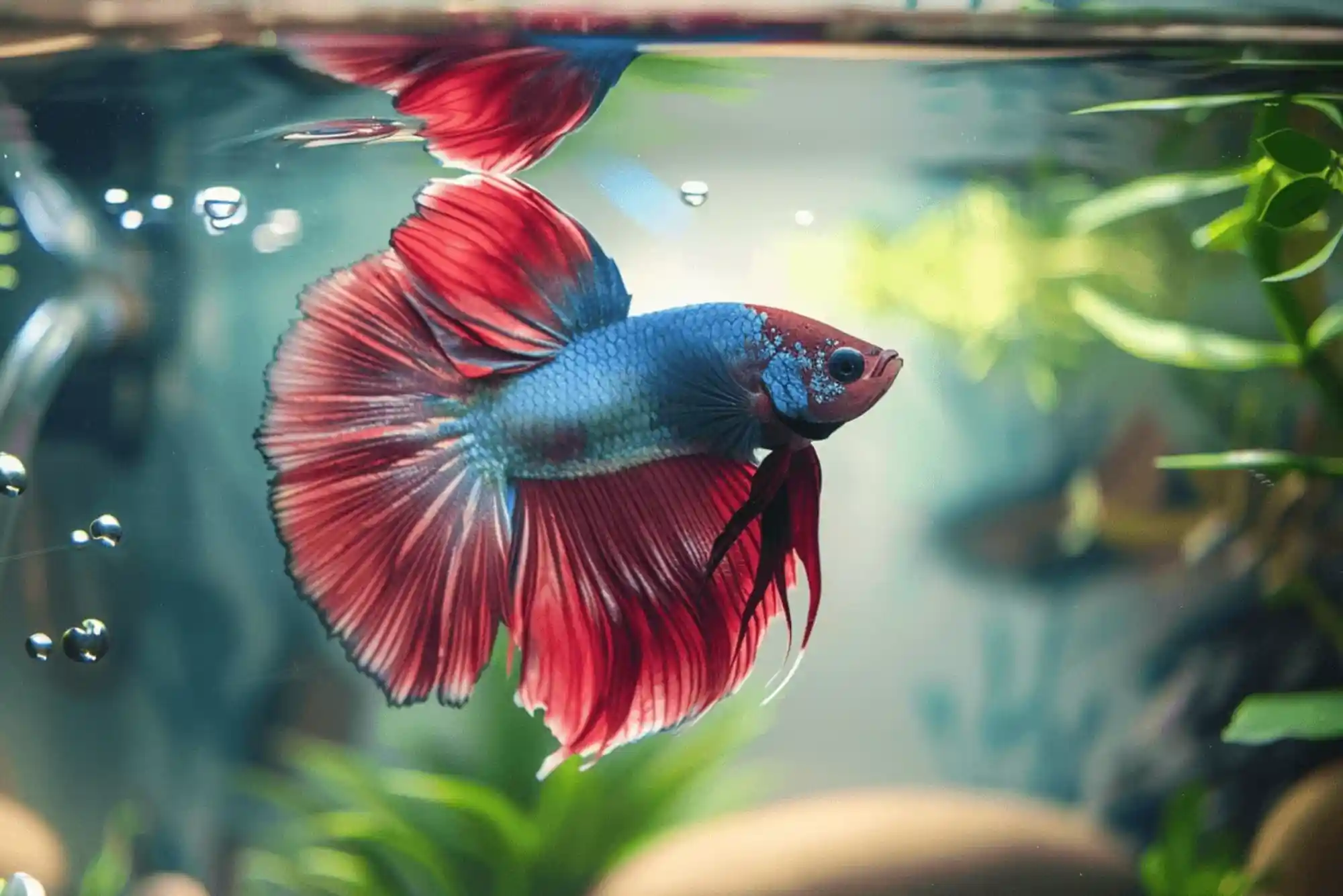
Bringing home a vibrant Siamese fighting fish is an exciting milestone for any aquarium enthusiast. These stunning creatures bring personality, brilliant color, and dynamic movement into any room. However, true aquarium success requires looking beyond the tiny bowls often marketed in pet stores. Providing proper Betta Fish Care 101: Tank Size, Diet, Temperature, and Tank Mates ensures your aquatic pet thrives for years. If you want to dive deeper into comprehensive guides, you can explore the Betta Care Pillar for additional resources. Many beginners make simple mistakes regarding their setup because they rely on outdated myths. Modern fishkeeping standards prioritize the long-term health and emotional well-being of the animal. By understanding their natural behaviors in the wild, you can recreate a thriving slice of nature at home. Whether you are setting up your very first tank or refining your husbandry skills, this guide covers everything you need. Let us dive into the core pillars of creating a safe, beautiful, and enriching underwater habitat.
Understanding the Natural Habitat of Bettas
Before buying equipment, it helps to understand where these magnificent fish originate in the wild. Wild bettas inhabit shallow rice paddies, slow-moving streams, and floodplains across Southeast Asia. These environments feature dense vegetation, muddy bottoms, and warm, slow-flowing tropical waters. Because their natural habitats experience seasonal drying, they developed a specialized organ called a labyrinth organ. This unique anatomical feature allows them to gulp atmospheric oxygen directly from the surface of the water. While this helps them survive in oxygen-poor puddles, it does not mean they can live in dirty water. Cleanliness, warmth, and adequate space remain absolute necessities for a long and healthy captive life. For more detailed biological insights, you can consult the Betta Splendens Profile to learn about their taxonomy. Recreating these natural conditions in a glass box reduces stress and boosts their vibrant coloration. When fish feel secure in a well-maintained environment, their natural personalities truly begin to shine through.
Choosing the Right Tank Size and Setup
A common myth suggests that bettas can live happily in tiny, unfiltered bowls or vases. In reality, a proper enclosure starts with a minimum volume of five gallons for a single fish. Larger tanks provide stable water parameters, which prevent the sudden chemical spikes common in smaller containers. When planning your layout, remember that long-finned varieties struggle against strong water currents from heavy filters. Opt for a gentle sponge filter that provides biological filtration without blowing your fish around. Live plants like Java fern, Anubias, and Amazon swords offer soft resting surfaces for heavy fins. Silk plants make a great alternative if you prefer artificial decor because plastic tears delicate fins easily. Always include a secure lid because these athletic fish are notorious jumpers and can escape easily. Proper placement away from direct sunlight and cold drafts keeps the internal ecosystem stable and healthy.
Maintaining Ideal Water Temperature and Quality
Tropical fish require tropical conditions, meaning room temperature is rarely warm enough for a healthy tank. The ideal water temperature ranges consistently between 78 and 80 degrees Fahrenheit year-round. Investing in a reliable, adjustable aquarium heater is non-negotiable for preventing sluggishness and common illnesses like Ich. Pair your heater with an accurate aquarium thermometer to monitor fluctuations daily and protect your pet. Water quality forms the foundation of all successful fishkeeping through the natural biological nitrogen cycle. You must cycle your aquarium completely before introducing any livestock to build up beneficial bacteria colonies. These invisible bacteria convert toxic ammonia from waste into less harmful nitrates over time. Routine water changes of 20 to 25 percent weekly remove accumulated toxins and replenish trace minerals. Always use a quality water conditioner to neutralize harmful chlorine and chloramines straight from tap water sources.
Providing a Nutritious and Balanced Diet
Feeding your fish correctly prevents common digestive issues like bloating and swim bladder disease. Bettas are strict carnivores, meaning their natural diet consists primarily of insects and mosquito larvae. Avoid cheap flake foods filled with plant fillers like corn and soy that their bodies cannot digest. Instead, invest in high-protein pellets specifically formulated for carnivores as their daily nutritional base. Supplement this dry diet with frozen or freeze-dried bloodworms, brine shrimp, and daphnia as treats. Feed only what your fish can consume completely within two minutes, usually once or twice daily. Overfeeding leads to poor water quality as uneaten food rots and pollutes the fragile aquatic environment. Fasting your fish for one day a week helps clear their digestive tract and prevents dangerous constipation.
Selecting Peaceful Tank Mates for Your Betta
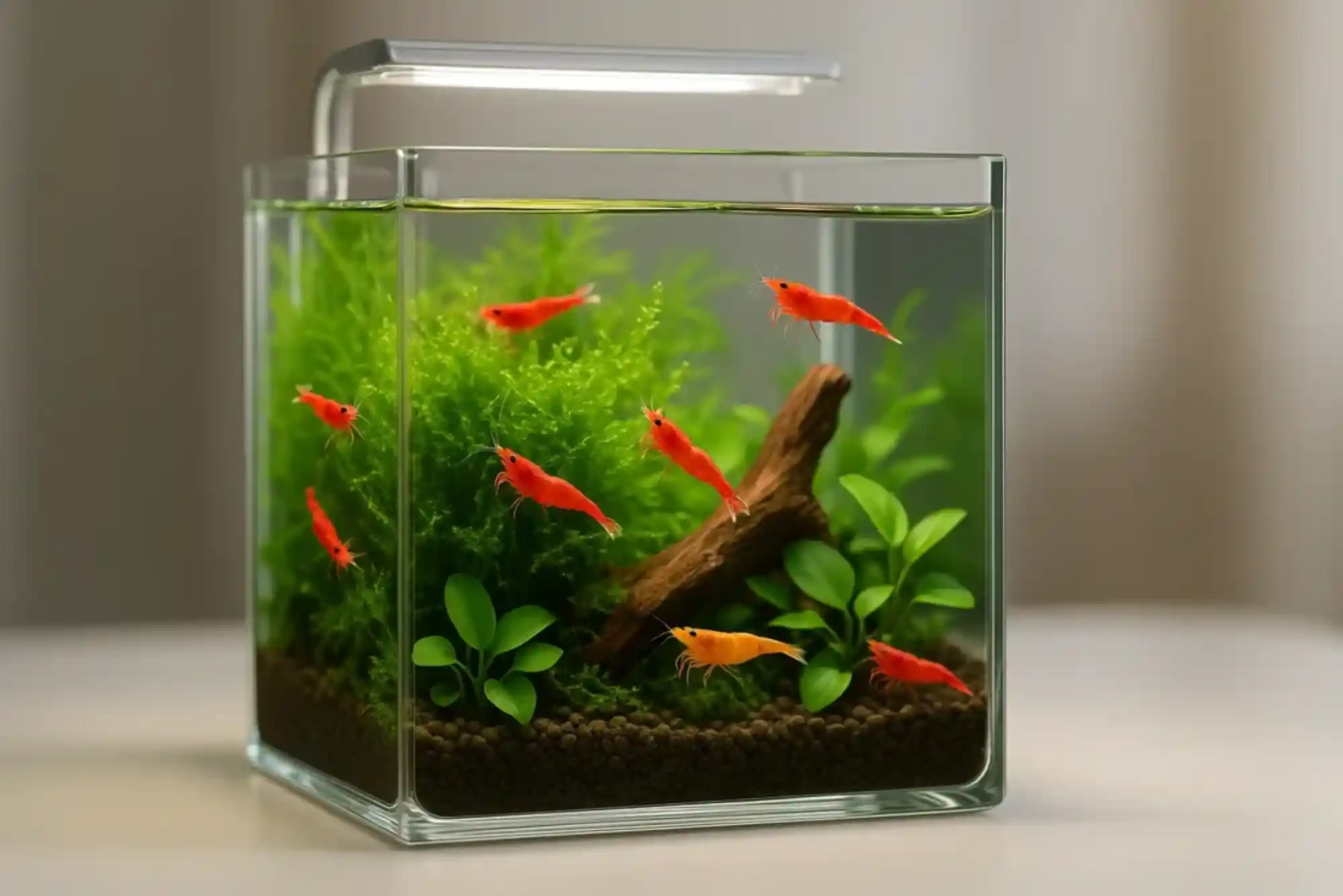
Many people assume these fish must always live completely alone due to their aggressive historical reputation. While males will fight fiercely against each other, they can coexist with certain peaceful species. Good tank mates include bottom-dwelling invertebrates like nerite snails, mystery snails, or peaceful ghost shrimp. If your tank is at least ten gallons, you can try peaceful schooling fish like cory catfish. Avoid adding brightly colored, fin-nipping species like tiger barbs or tetras that will stress your fish out. Always monitor new community tanks closely for the first few weeks to ensure everyone gets along safely. Keep a backup breeder box or separate quarantine tank ready just in case aggression breaks out suddenly. If community setups prove too stressful, keeping a single male in a solo species tank remains completely rewarding.


Recognizing and Preventing Common Health Issues
Proactive observation is your best defense against unexpected diseases and declining health conditions in your aquarium. Healthy fish display bright colors, active swimming patterns, and a strong appetite during feeding time. Lethargy, clamped fins, faded coloration, and white spots signal that something is wrong with your water. Fin rot often stems from poor water quality or sharp decor tearing the delicate tissue of the fins. Treating early symptoms usually involves correcting water parameters and performing frequent, large water changes immediately. Quarantine new plants or decor before adding them to your main display to prevent introducing harmful parasites. Consulting trusted resources through platforms like Redocean can also help you troubleshoot common tank problems. Maintaining a clean habitat prevents most illnesses before they ever have a chance to affect your fish.
Frequently Asked Questions
What is the absolute minimum tank size for a single betta fish?
A five-gallon tank is widely considered the minimum requirement for a single fish to thrive properly. Smaller containers accumulate toxins too quickly and fail to provide enough room for active swimming.
How often should I change the water in my betta tank?
You should perform a partial water change of 20 to 25 percent once every week consistently. This routine removes harmful nitrates and replenishes essential minerals without crashing the beneficial bacterial cycle.
Why is my betta fish resting at the bottom of the tank?
Bottom resting can indicate low water temperatures, fatigue from strong currents, or early stages of illness. Check your heater and water parameters immediately to ensure the environment remains safe and stable.
Can I keep two male bettas together in the same aquarium?
No, keeping two males together will result in severe fighting, severe injuries, and eventual mortality. Males are intensely territorial and must always be housed individually in separate, fully cycled enclosures.
What types of food are best for daily feeding?
High-protein pellets formulated specifically for carnivores should form the daily staple of their diet. You can supplement this with occasional treats of frozen bloodworms or brine shrimp for variety.
Related Reading: How Often Should You Change Aquarium Water? Best Routine Schedule
Related Reading: How to Cycle a Freshwater Fish Tank Fast: Beginner Step-by-Step
Related Reading: Address Advisors
Related Reading: Tree Service in La Grange, IL
Related Reading: How to Bet on UK Weather Predictions
Related Reading: บาคาร่าออนไลน์ vs บาคาร่าแบบดั้งเดิม: เลือกแบบไหนดีกว่ากัน?
Related Reading: Experience Authentic Connections with LivCam
Related Reading: How Do Reel Locking Mechanisms Impact Strategy? — full guide
Related Reading: Save Money With United Fish Dubai Wholesale Deals
Related Reading: Aquarium Heater Sizing Guide: Watts Per Gallon Calculator